

Top 5 Free Bookkeeping Tools for Startups
Starting a new business comes with many challenges, and managing your finances efficiently is one of the most critical. For startups on a tight budget, investing in expensive accounting software may not be feasible. Luckily, there are several free bookkeeping tools available that can help startups keep accurate financial records without breaking the bank. In this article, we’ll explore the top 5 free bookkeeping tools for startups, highlighting their features, benefits, and how they can streamline your accounting process.
Why Startups Need Bookkeeping Tools
Bookkeeping is essential for tracking your income, expenses, and cash flow — all crucial for making informed business decisions. Using the right bookkeeping tool helps startups:
- Maintain accurate financial records
- Prepare for tax season with ease
- Monitor business performance and profitability
- Save time by automating repetitive tasks
Choosing the right free bookkeeping tool can empower startups to manage their finances effectively from day one.
Top 5 Free Bookkeeping Tools for Startups
Here are the best free bookkeeping software options tailored for startups, each offering unique features to suit different business needs.
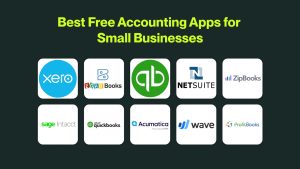
1. Wave Accounting
Wave is one of the most popular free bookkeeping tools, especially designed for small businesses and startups. It offers a robust set of features without any hidden costs.
- Features: Income and expense tracking, invoicing, receipt scanning, bank connections, and financial reporting.
- Pros: User-friendly interface, unlimited invoicing, and integration with payroll (paid add-on).
- Cons: Limited advanced features and customer support mainly through email.
Wave’s free version is ideal for startups looking for comprehensive bookkeeping without upfront investment.
2. ZipBooks
ZipBooks offers a free plan that is great for startups needing basic bookkeeping and invoicing.
- Features: Invoicing, expense tracking, vendor management, and basic reporting.
- Pros: Clean design, easy-to-use dashboard, and mobile app availability.
- Cons: Advanced features like time tracking and recurring billing are only available in paid plans.
ZipBooks is perfect for startups wanting a simple, intuitive tool to manage daily finances.
3. GnuCash
GnuCash is a free, open-source accounting software suitable for startups that prefer desktop solutions over cloud-based options.
- Features: Double-entry accounting, scheduled transactions, customizable reports, and multi-currency support.
- Pros: Powerful and flexible with no internet requirement.
- Cons: Interface can be complex for beginners, and there’s a steeper learning curve.
If you prefer a robust, offline tool with advanced accounting features, GnuCash is an excellent choice.
4. Akaunting
Akaunting is a free, cloud-based accounting software designed for startups and small businesses.
- Features: Invoicing, expense tracking, powerful reporting, client management, and bank reconciliation.
- Pros: Open-source platform with a vibrant community and regular updates.
- Cons: Some advanced features require paid add-ons.
Akaunting is great for startups that want an online, collaborative bookkeeping platform with room to scale.
5. SlickPie
SlickPie is a straightforward, cloud-based bookkeeping tool tailored for small businesses and startups.
- Features: Automated data entry via MagicBot, online invoicing, expense tracking, and tax management.
- Pros: Easy to use with automated features that reduce manual data entry.
- Cons: Limited integrations compared to other software and fewer advanced features.
SlickPie is ideal for startups that want simplicity combined with automation for their bookkeeping tasks.
How to Choose the Right Free Bookkeeping Tool for Your Startup
With several free bookkeeping tools available, selecting the right one can be challenging. Here are key factors to consider:
Ease of Use
Choose software with an intuitive interface, especially if you don’t have an accounting background. Tools like Wave and ZipBooks are known for their user-friendly designs.
Features and Functionality
Identify the bookkeeping features you need—such as invoicing, expense tracking, or bank reconciliation—and ensure the software supports them.
Cloud-Based vs. Desktop
Cloud-based software allows access from anywhere and supports collaboration, while desktop applications like GnuCash offer offline functionality.
Scalability
Consider your startup’s growth plans. Some free tools offer paid upgrades with advanced features as your business expands.
Customer Support
Look for software with reliable customer support, whether through live chat, email, or community forums.
Tips for Getting the Most Out of Free Bookkeeping Tools
Regularly Update Your Records
Maintain consistent bookkeeping habits to keep your financial data accurate and up to date.
Back Up Your Data
Even with cloud-based tools, ensure you have backups of your financial information to prevent data loss.
Leverage Tutorials and Help Resources
Most free bookkeeping tools offer tutorials, FAQs, and community forums—use these resources to maximize the software’s potential.
Integrate with Other Business Tools
Where possible, connect your bookkeeping software with other apps like payment processors, payroll, or CRM to streamline workflows.
Conclusion: Empower Your Startup with the Right Free Bookkeeping Tool
Effective bookkeeping is vital for startup success, and the good news is you don’t need to invest in costly software to get started. The top 5 free bookkeeping tools — Wave, ZipBooks, GnuCash, Akaunting, and SlickPie — each offer valuable features tailored to different needs and preferences.
Evaluate your startup’s specific requirements, test out a few tools, and choose the one that best aligns with your business goals and skill level. By leveraging these free bookkeeping solutions, you can maintain accurate financial records, prepare for tax season, and focus on growing your startup with confidence.